

Anxiety and overwhelm during cancer treatment are common emotional responses to diagnosis, treatment decisions, side effects, and uncertainty about the future. The National Cancer Institute (NCI) describes distress as a range of emotional, psychological, social, or spiritual concerns that can make it harder to cope with cancer. Although distress is not a personal failure, persistent […]

What Teens Wish Adults Understood About Cancer Treatment
Cancer treatment for teenagers is medical care intended to treat cancer in adolescents while also supporting their physical, emotional, and social development. Teens often want adults to understand that treatment affects far more than test results: it can disrupt school, friendships, privacy, body image, independence, and plans for the future. The National Cancer Institute (NCI) […]
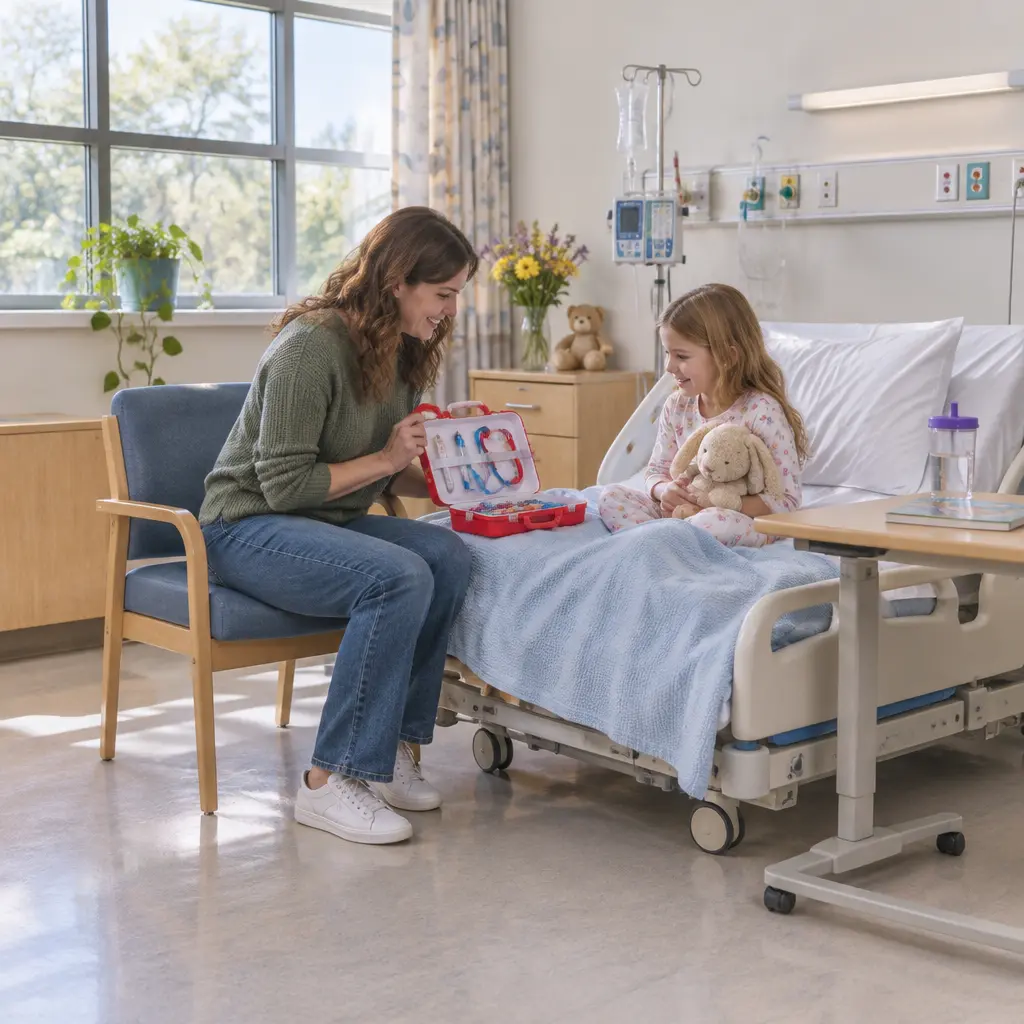
Making Hospital Stays Feel Less Frightening for Young Children
A frightening hospital stay can feel more manageable for a young child when adults explain what is happening in age-appropriate language, preserve familiar routines, invite safe choices, and use play and caregiver support to reduce uncertainty. The World Health Organization estimates that up to 1 in 2 children experience significant fear of medical procedures, while […]
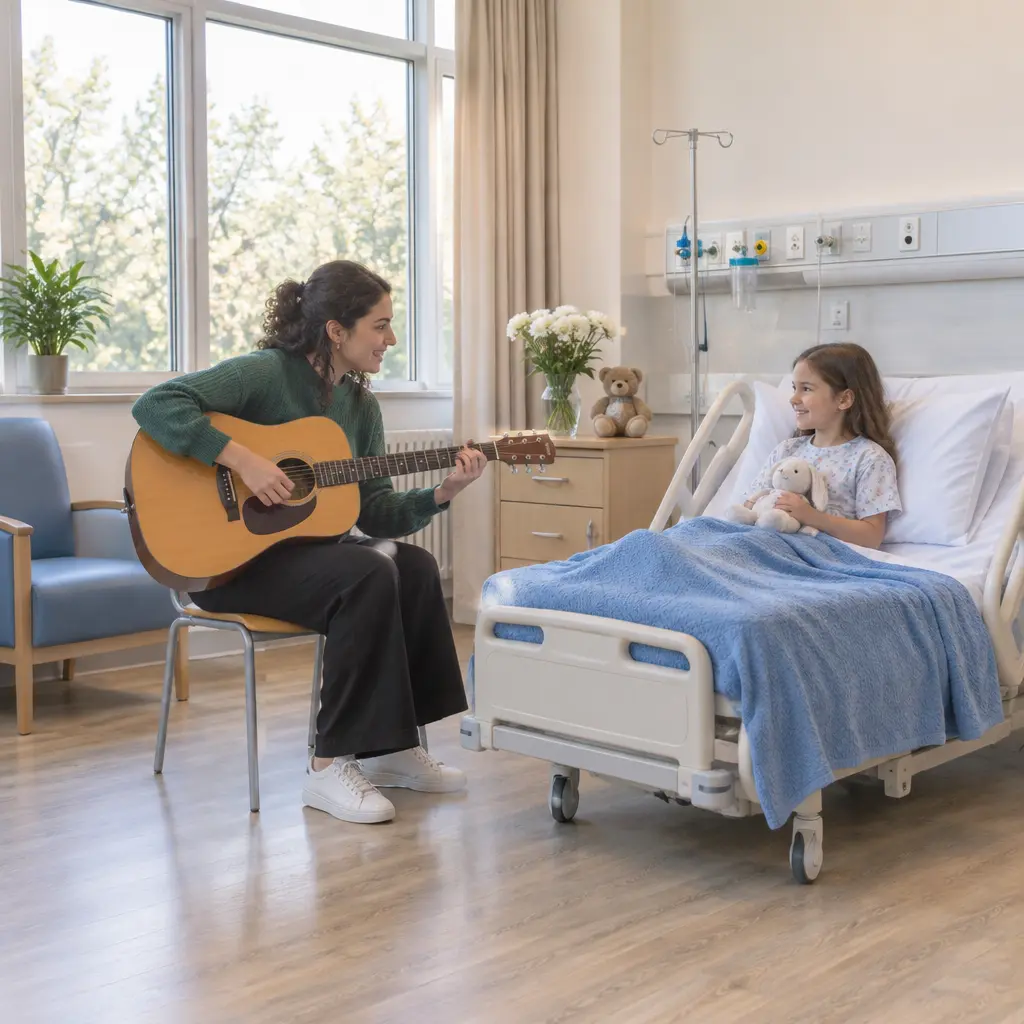
How Music Therapy Helps Children Process Fear and Anxiety During Cancer Treatment
Music therapy is the clinical use of music by a trained professional to support health and well-being. For children receiving cancer treatment, it can offer a developmentally appropriate way to express fear, regain a sense of control, and cope with anxiety around procedures, hospitalization, and uncertainty. Research in pediatric oncology suggests music-based interventions can reduce […]

The Real Energy Struggle Nobody Warns You About Post-Treatment
Cancer treatment can end before its effects on energy do. Cancer-related fatigue is a persistent, distressing sense of physical, emotional, or cognitive exhaustion that may not improve with rest and can interfere with daily life. The National Cancer Institute notes that fatigue can continue for months or years after treatment; the American Cancer Society reports […]
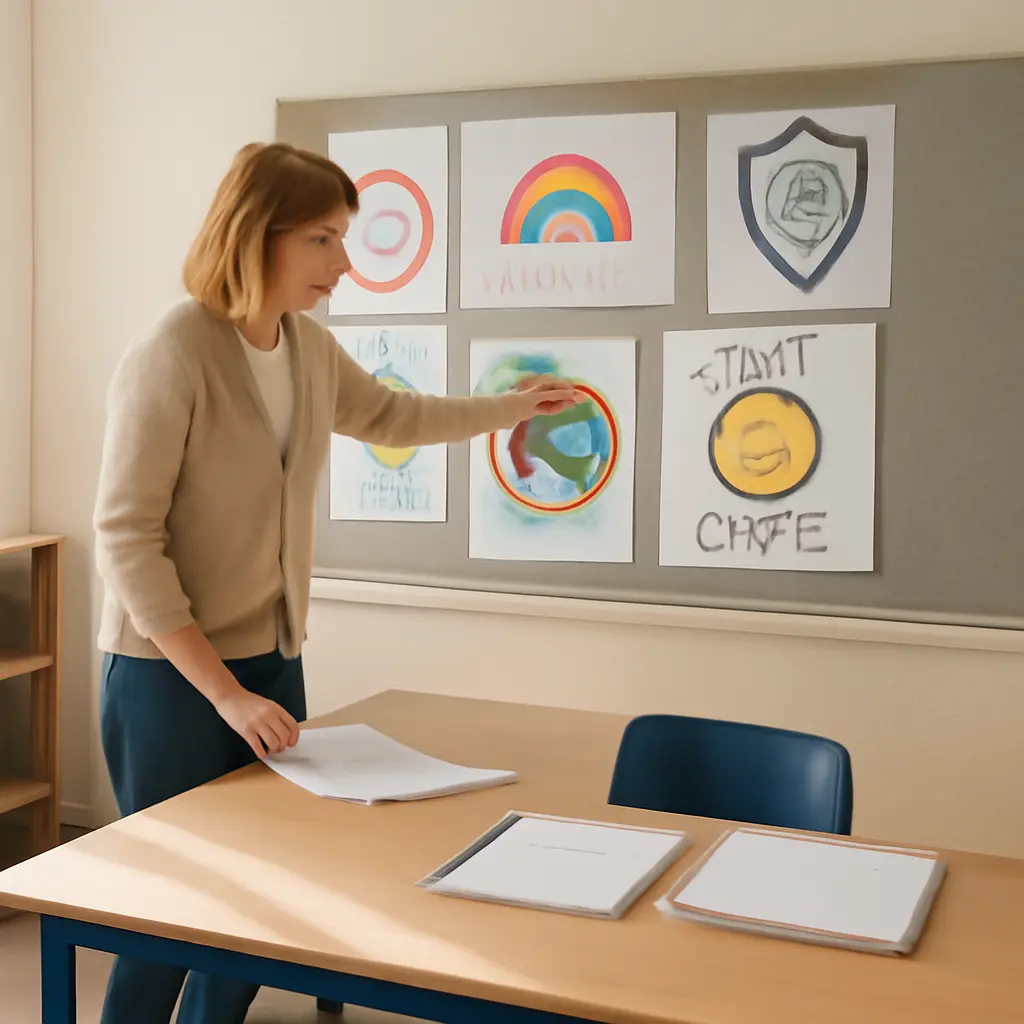
How Schools Can Host Meaningful Awareness Activities This Month
Schools can host meaningful awareness activities by pairing accurate information with student participation, practical skills, and clear routes to support. A school awareness activity is a planned lesson, event, or campaign that helps a community understand an issue and consider constructive action—not simply display a slogan. This month, educators can focus on a locally relevant […]

Five unexpected ways hospitals support children on extended stays
A hospital stay that lasts weeks or months can disrupt a child’s learning, routines, friendships, and sense of control. Hospitals support children on extended stays in ways that go beyond medical treatment: hospital schools help them keep learning, play and creative programs provide normalcy and emotional expression, family-centered care keeps caregivers involved, child-life specialists prepare […]

What parents should know about emotional support resources available to their children
Children’s emotional support resources are the people, services, and tools that help them manage distress, build coping skills, and get mental health care when needed. Parents can start with trusted adults and school supports, add community or professional services when appropriate, and use crisis services for urgent safety concerns. Knowing what each option can—and cannot—provide […]

Five ways extended family helps when a child faces cancer
When a child has cancer, extended family can help by easing practical burdens, strengthening emotional support, sharing care responsibilities, supporting siblings, and helping the family stay connected to reliable resources. These contributions matter because childhood cancer affects the whole household: the National Cancer Institute estimates that about 9,600 children in the United States younger than […]

Five Ways Music Helps Kids Process Treatment Trauma
Music therapy is the planned use of music-based experiences by a trained professional to support health, communication, and emotional regulation. For children coping with surgery, hospitalization, cancer care, intensive procedures, or repeated appointments, music can help process treatment trauma by restoring a sense of control, expressing feelings, regulating the body, creating continuity, and strengthening relationships […]